
"coffee fruit removal"
8000 article(s) found
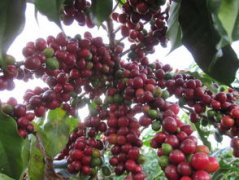
How to deal with high-quality coffee beans
There are a pair of oval seeds in the center of the fruit of the coffee tree, which are covered with exocarp, endocarp and pulp. Ripe fruits will rot in a short time without treatment, so the purpose of refining is to enable coffee beans to be preserved for a long time, easy to store and circulate. (1) Coffee fruits and fresh fruits should be treated immediately after they have been harvested. Refining is to remove the outer skin and pulp of coffee fruit.

Professional terms for coffee farms-the meaning of various words for coffee farms
For professional baristas, please follow the coffee workshop (Wechat official account qianjiecoffee) to remove foreign bodies in raw beans, broken beans, and defective beans. Coffee beans: business term used to refer to sun-dried coffee seeds. Coffee cherry: the fruit on the coffee tree. Defect: the damaged part of the coffee bean will seriously reduce the quality of the coffee. Dry fermentation: after the coffee is peeled, after no

Introduction to the drying method of Red Honey Wine with Honey treated Coffee beans
Honey-treated coffee beans are washed in the sun. Choose beans: if you put the harvested fruit in the water tank, the ripe fruit will sink, while the immature and overripe fruit will float up and can be removed. two。 Drying: place the selected ripe fruits in the square and expose them to the sun for 5 or 6 days until fully dried. At this time, the fruit turns dark brown and the moisture content drops to 13%. 3. Shelling: dry

What are the methods of pulp treatment? Does pulp treatment include pulp treatment?
Professional coffee knowledge exchange more coffee bean information please pay attention to the coffee workshop (Wechat official account cafe_style) the four most common treatment methods of Brazilian coffee the basic skills of good quality coffee since the black tide [* Note], coffee beans sold in the market have also hit the slogan of fine products one by one, advocating a single producing area, micro-climate, various treatments and so on.

The difference between the characteristics of Coffee Bean Solar and Water washing Coffee Water washing, Solar and Honey treatment steps
Professional coffee knowledge exchange more coffee bean information Please pay attention to the coffee workshop (Wechat official account cafe_style) Solar method is the oldest method of treatment. according to literature, the Arabs began to use the sun method to deal with coffee fruit as early as 1000 years ago in the 11th century. Because

How many coffee treatments are there? What's the difference between tanning and washing?
Professional coffee knowledge exchange more coffee bean information please pay attention to the coffee workshop (Wechat official account cafe_style) how many kinds of coffee processing? What's the difference between tanning and washing? In this innovation and change of modern coffee industry, more and more characteristics of producing areas, roasting degree, treatment methods and so on have been paid more and more attention. This time, I would like to share with you some of the more common ones.
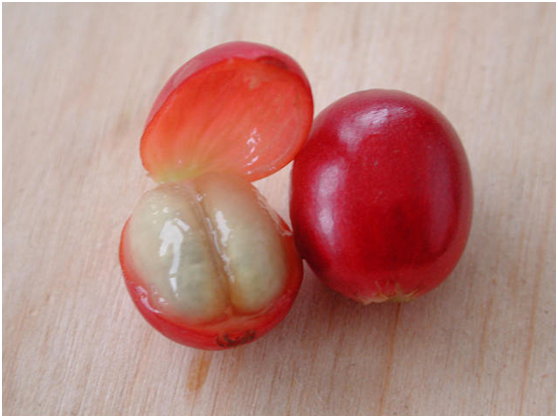
Coffee refining-a common method for the treatment of fine coffee beans
[introduction] there are a pair of oval seeds in the center of the fruit of the coffee tree, which are covered with exocarp, endocarp and pulp. Ripe fruit will rot in a short period of time without treatment, so the purpose of refining is to enable coffee beans to be preserved for a long time, easy to store and circulate. Figure (1) Coffee tree has a pair of oval seeds in the center of the fruit, which are covered by exocarp, endocarp and pulp.

The difference between tanning and washing Coffee Flavor description of sun-cured coffee beans from different coffee producing areas
Professional coffee knowledge exchange more coffee bean information Please pay attention to the coffee workshop (Wechat official account cafe_style) the basic skills of all kinds of coffee fruit treatment of good quality coffee since the black tide [* Note], the market coffee beans have also hit the slogan of high-quality products one by one, advocating a dazzling variety of coffee bean choices, such as single producing area, microclimate, various treatments and so on.

Coffee refining methods are mainly divided into three categories.
There are a pair of oval seeds in the center of the fruit of the coffee tree, which are covered with exocarp, endocarp and pulp. Ripe fruit will rot in a short period of time without treatment, so the purpose of refining is to enable coffee beans to be preserved for a long time, easy to store and circulate. After the fresh coffee fruit is harvested, it should be dealt with immediately. Refining is to remove the skin and pulp of the coffee fruit, and then take the seeds.

The flavor of coffee is different from the treatment of raw beans. Is there a difference between washing and sunshaving?
Coffee flavor and raw bean treatment are related to water washing, sun drying, wet planing, red wine drying. Coffee beans are the seeds of coffee fruit, which is also called coffee cherry. After removing the exocarp and pulp of the coffee fruit, you will get two coffee seeds, that is, coffee raw beans. The coffee fruit is easy to rot when ripe and picked, so it should be treated in time to facilitate storage and storage.

Introduction to the production process of coffee beans it is better to drink juice or coffee
After the fruit is harvested, the skin and flesh must be removed. The endocarp and silver peel are removed to form coffee beans. There are two kinds of methods: drying (natural drying, non-washing) and washing. Dry type, the operation is relatively simple, the harvested fruit will be spread on the dry ground and basked in the sun for a week or two. The sound of rattling can be heard when it is turned, which means it is dry. Then use the sheller to remove the pulp of the dried fruit

The fruit of coffee tree is picked. Introduction to the process of how to make coffee.
In the washing type, the harvested fruit is poured into the sink, the floating matter is removed, the fruit in the water is moved to the pulp removal machine, the outer skin and pulp are removed, and then put back into the tank to remove the floating matter, the core in the water is poured into the fermentation tank, soaked for half a day or one day, the colloid on the surface of fermented beans is removed, washed, dried or mechanically dried, and the endocarp is removed on the sheller to form commercial raw coffee beans.

What are the most common ways to treat raw coffee beans?
For the handling of raw coffee beans, first of all, we have to ask how the coffee comes from. Coffee from seedling to blossom, the most delicious fruit, is the origin of coffee. Coffee fruit, also known as coffee peach, coffee beans are the noodles of coffee peach noodles. After the coffee peach is picked, the exocarp, pulp and fruit should be removed. This process is called raw bean processing. And coffee raw beans.
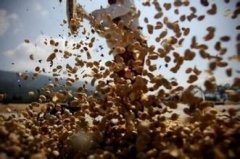
Coffee Bean Processing
The coffee tree has a pair of oval seeds in the center of the fruit. The seeds are covered by the outer skin, endocarp and pulp. Mature fruit will rot in a short time without treatment, so the purpose of refining is to make coffee beans long-term preservation, easy storage and circulation.

Coffee fruit to seed process-coffee fruit decomposition diagram
Coffee fruit to seed process-Coffee fruit decomposition map from harvest to delivery after the harvest of the fruit, the skin and pulp. The endocarp and silver peel are removed to form coffee beans. There are two kinds of methods: drying (natural drying, non-washing) and washing. Dry type, easy to operate, spread the harvested fruit on the dry ground, bask in the sun for a week or two, and you can hear it when you turn it.
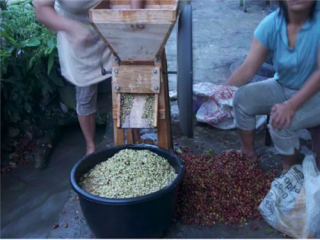
What is the difference between wet planing coffee beans and semi-sun treatment coffee beans? What are the characteristics of wet planing coffee beans?
Wet planing coffee beans is a method of processing Indonesian coffee. Here is a description of the specific process of wet planing: coffee farmers first pick mature coffee fruits and put them into the sink to remove impurities and immature coffee fruits by flotation. The pulp and pericarp are then removed using a peeler, leaving the endocarp and pericarp.

Understand the handling of coffee beans and easily solve the problem of how to eat coffee beans!
Professional coffee knowledge exchange more coffee bean information please follow the coffee workshop (Wechat official account cafe_style) if you want to talk about how to eat coffee beans, we need to talk about how coffee comes from, first of all, we have to talk about how coffee trees blossom and bear fruit like ordinary trees, and after they grow into coffee fruits, the seeds inside are called coffee beans to remove the skin, pulp and pectin of coffee fruits.

What are the processing methods of fine coffee common sense coffee raw beans?
After picking, coffee fruits need to go through a series of processes before they can become what we call coffee raw beans. This series of processes are often referred to as the handling of raw coffee beans or the rough processing of raw coffee beans in the industry. Before we talk about the classification of specific treatment methods, let's take a look at the structure of coffee fruits and raw coffee beans. Coffee fruit from outside to inside is: pericarp (exocarp)

Effect of coffee bean treatment on how coffee beans are ground into powder can coffee beans be brewed directly
Professional coffee knowledge exchange more coffee bean information please follow the coffee workshop (Wechat official account cafe_style) to talk about the relationship between the treatment of raw coffee beans and how coffee beans are eaten. First of all, we need to talk about how coffee comes from coffee trees and ordinary trees blossom and bear fruit and grow into coffee fruits. The seeds inside are called coffee beans to remove the peel, pulp and pectin of coffee fruits.

The process of turning a coffee fruit into a coffee bean.
After the fruit is harvested, the outer skin, pulp, endocarp and silver skin should be removed before shipping. There are two kinds of methods: drying (also known as natural or non-washing) and washing. The drying method is relatively simple. First of all, spread the freshly harvested fruit on the exposure field for a week or two until the fruit crackles and dries naturally. After that, the sheller will dry the fruit.